

 English - EN
  繁體 - ZH-TW
  简体 - ZH-CN
  Español - ES
  日本語 - JA
  العربية - AR
  Русский - RU
  Français - FR

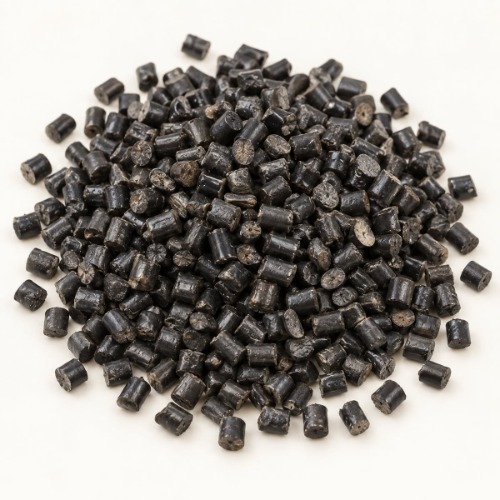
PP BK Pellets
الاقسام : حبيبات بلاستيكية معاد تدويرها
Black PP pellets, Taiwan origin. Send your requirement for a quotation.

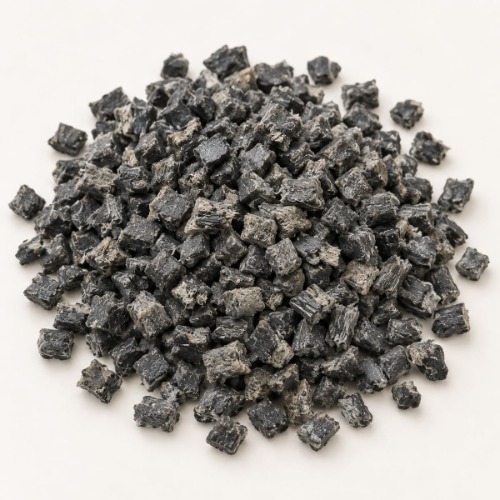
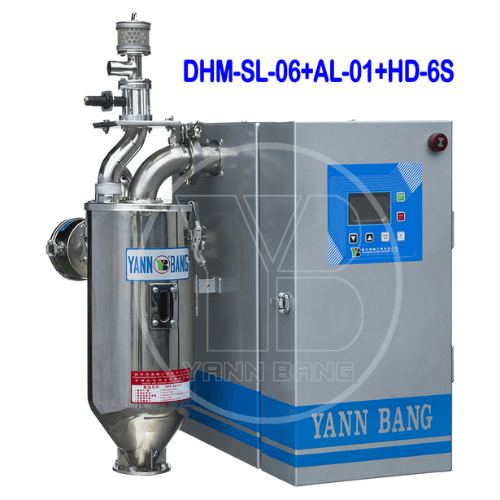
مجفف التجفيف الدقيق (DHM-SL)
الاقسام : مجففات ومزيلات رطوبة لمواد البلاستيك
يستخدم أحدث مجفف مزيل للرطوبة الصغير الهواء المضغوط لتجفيف الراتنج البلاستيكي. إن حجم الهواء الناتج عن ضاغط الهواء مناسب لإنتاج أجزاء صغيرة ، مثل قطع الإلكترونيات. الدرجة المثالية للجفاف إلى جانب كمية معتدلة من هواء التجفيف ، زادت كفاءة الإنتاج بشكل كبير. يعمل ضاغط الهواء على معالجة الهواء عن طريق ترشيح المياه ، وسيتم ضغط الهواء بين الضغط 5 ~ 7 كجم / سم². ثم يمر الهواء المضغوط عبر المنخل الجزيئي ويزود الهواء الجاف بنقطة ندى تصل إلى -40 ~ -50 ℃. أثناء عملية التشكيل ، سيظهر بشكل كامل الخصائص البلاستيكية المثالية. وفقًا للأنواع المختلفة من البلاستيك ، يختلف وقت التجفيف المطلوب قليلاً أيضًا ، لمدة 2 إلى 6 ساعات. يمكن للتصميم متعدد الوظائف أن يجفف ويزيل الرطوبة وينقل الراتنجات تلقائيًا. بالمقارنة مع مجفف التجفيف العادي ، يمكنه توفير المساحة والاتصال المباشر بمدخل آلة التشكيل. يمكنها نقل راتنجات التجفيف مباشرة إلى الإنتاج لمنع عودة الظهور وضمان اكتمال الإنتاج. 1. عرض كشف نقطة الندى 2. كشف غير كاف لضغط الهواء 3. نظام نقل الضغط الإيجابي المدمج 4. مانع الحرارة الزائدة 5. مؤقت أسبوعي 6. تثبيت مرشح عالي الكثافة 7. مع ميزات الصناعة 4.0 ، يمكن استخدام إيثرنت و RS485 للتواصل مع العلامات التجارية الأخرى. 8.يمكن فصل وحدة التحكم والهيكل الرئيسي أو دمجهما لتسهيل ترتيبات المساحة.
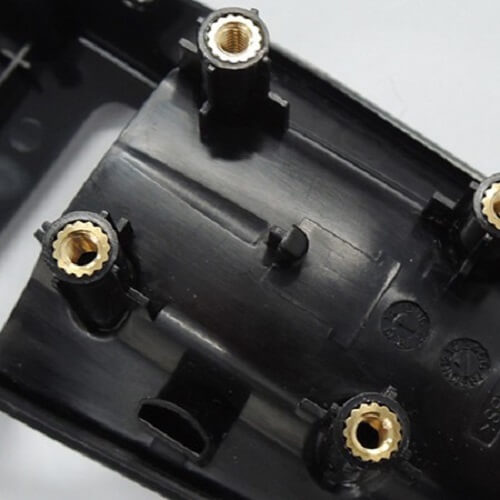
INSERT INJECTION MOLD
الاقسام : قوالب الحقن
INSERT MOLDING TECHNOLOGY: When a metal, plastic or ceramic part needs to be embedded in plastic to improve product structure it is called Insert Molding. It is a widely used process and one that YOMURA TECHNOLOGIES specializes in. With Insert Molding, a part is placed in a mold cavity then a selected plastic material is injected directly over it resulting is a single part with the insert(s) encapsulated by the material. This process normally uses engineering plastics for improved wear resistance, tensile strength and weight reduction. Insert Molding can be a highly efficient alternative to the assembly of discrete parts using soldering, connectors, fasteners, or adhesives. It also expands plastic capabilities and can reduce final product cost by limiting the amount of costly metal needed to create a part. And importantly, because we can use conventional single shot injection machines for Insert Molding, tooling costs are lower than with a multi-shot processing. Benefits: Reduced assembly and labor costs Because insert molding joins numerous components with thermoplastic, assembly and labor costs are greatly minimized. For example, a single stamping can be overmolded, then perforated to create multiple circuit paths. Reduced size and weight By eliminating fasteners and connectors, and by combining the physical strength of resin and metal inserts, insert molding yields smaller and lighter components. Increased reliability With every part tightly secured in thermoplastic, an insert molded component prevents part loosening, misalignment, improper terminations, and other problems. The thermoplastic resin also provides improved resistance to shock and vibration. Increased design flexibility Designers appreciate the virtually unlimited configurations that insert molding allows. For example, in creating a 3D circuit board, overmolding permits circuitry to move freely through the part, from inside to outside, up walls, down in holes-and the plastic ties it all together. Materials: Engineering plastic or Thermo Plastic Rubber (TPR) inserted with metal frame die casting, plated copper pin, sockets, wire frames, etc. Applications: TPR + Metal Frame(3C Mechanical Parts) ABS + Al. Die Cast (Sports/ Medical) Eng. Plastic + Patting Pin/Eng. Plastic + Wireframe (Connector) Eng. Plastic + Copper Pin/Contact (Precision Electronic Component)
Silicone Masterbatch
الاقسام : إضافات
An additive for PE, PP, EVA, or other compatible thermoplastic resin systems, used to improve resin processability and flowability, as well as the surface lubricity and mold release properties of finished products.

PCR PET
الاقسام : حبيبات بلاستيكية معاد تدويرها
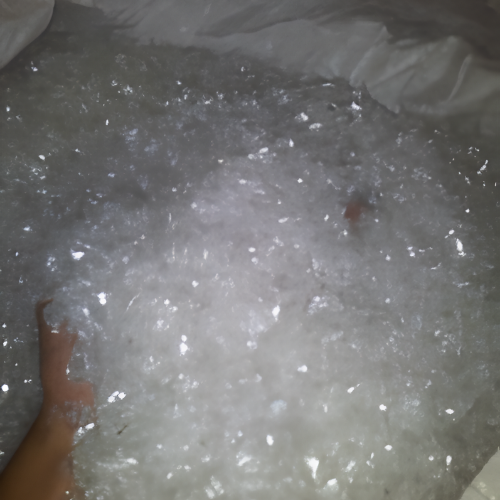
Our modern society calls for several different sorts of synthetics for different fields of application. One of the most fascinating plastics is PET. PET (Polyethylene Terephthalate better written as Poly Ethylene Terephthalate, as it doesn't contain any Polyethylene) is a polyester which consists exclusively of carbon, hydrogen and oxygen. To produce one kilo of PET you need 1,9 KG of crude oil and 23Kwh. With recycling in modern facilities, you will economize about 50% of the energy towards a new production or more than 1 litre of crude oil and additionally, you will save more than 3 kilos of greenhouse gas as for example Co2 including methane, laughing gas and other relevant greenhouse gases. PET is technically speaking a linear thermoplastic resin which is created by condensation of ethylene glycol and terephthalic acid and can be melted at temperatures of > 250°C for the amorphous form to any form people wish. The success story of PET began with its use in the textile industry for polyester fibre, in the automobile industry for PET components, not to forget the pharmacy and condensation of ethylene glycol anu terepritrant aciu anu can be mereu al temperatures of 250 C for the antionprous tom to any rom success story of PET began with its use in the textile industry for polyester fibre, in the automobile industry for PET components, not to forget the pharmacy and medicine role due to its shelter against germs and of courses within the packaging industry like food packaging, straps and bottles. In certain countries, bottles out of PET have overtaken the role of the old classic glass bottle - one of the reasons besides many others is that PET is a strong resin whereby its weight is only 10% of the weight of an identical glass container and has a crystal clear transparency.