


 English - EN
 繁體 - ZH-TW
 简体 - ZH-CN
 Español - ES
 日本語 - JA
 العربية - AR
 Русский - RU
 Français - FR

LATEST UPDATE الاشتراك
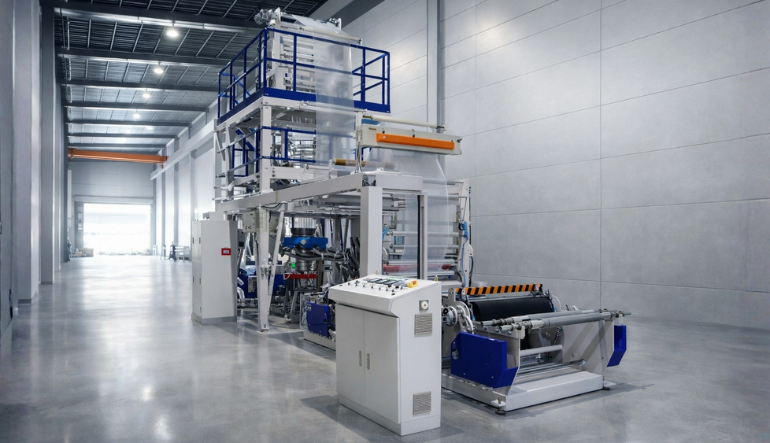
Blown Film Solutions Beyond the Machine: From New Production Lines to Long-Term Support
In today's competitive flexible packaging industry, selecting the right blown film machinery is about more than production capacity. Film quality, operational stability, material compatibility, and long-term technical support all play important roles in maintaining efficient production and protecting equipment investments.
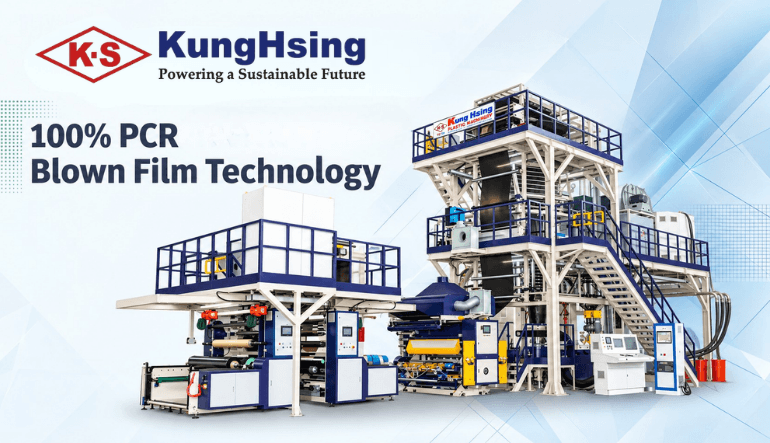
PCR Blown Film Technology: Turning Recycled Plastics into Reliable Film Production
As demand for recycled-content packaging grows, the real challenge is no longer simply incorporating PCR materials — it is processing them consistently, efficiently, and reliably.
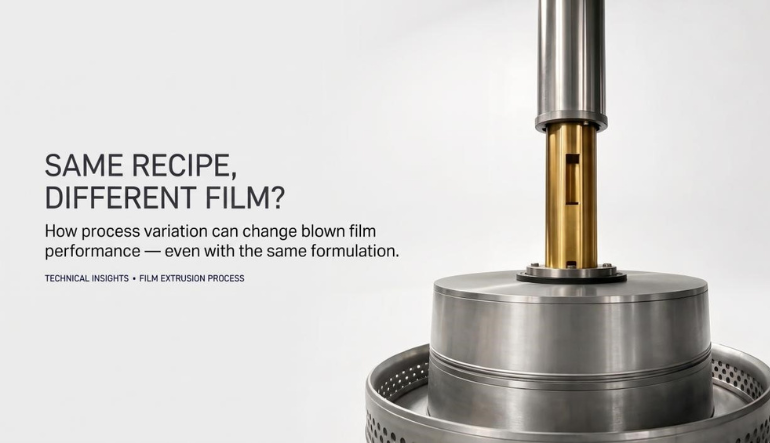
Same Recipe, Different Film: Here's Why
Last week, a customer ran two rolls of film on the same line. One roll came out perfectly fine — the other was full of gels and fish eyes. They spent three days troubleshooting. Our engineer went in, took apart the cooling air ring, and found it — one-third of the air outlets were blocked. Cleaned the air ring, restarted the line, and everything went back to normal. Same recipe. Completely different film. Why?
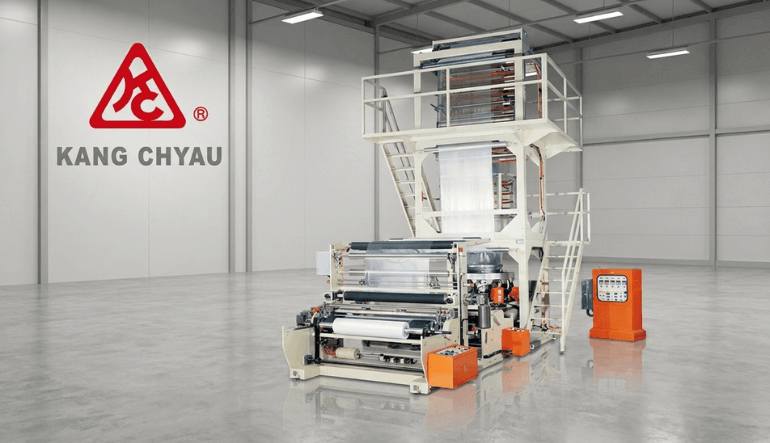
From Machine Control to Production Intelligence: Kang Chyau Brings AI into Blown Film Manufacturing
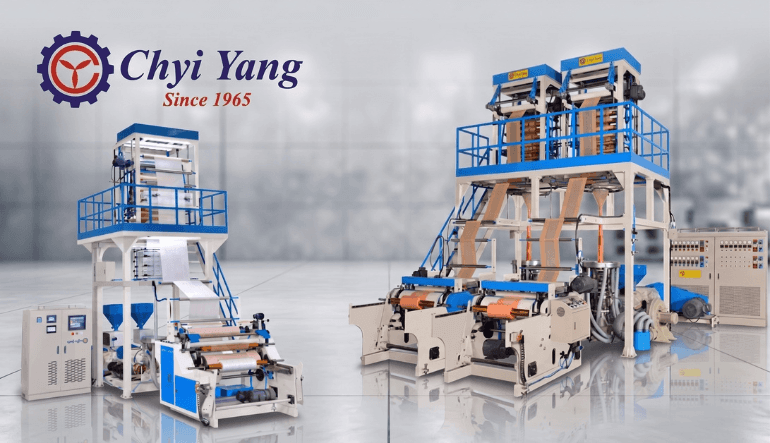
As blown film production moves toward smarter and more connected manufacturing, Taiwan-based Kang Chyau Industry is upgrading its KMT-65 HDPE/LDPE/LLDPE Plastic Inflation Machine with a stronger focus on automation, AI-assisted control and production data integration.
Your Formula Is the Only Cost Lever You Still Control: Turning Volatility Into Flexibility
Resin prices over recent years have been a rollercoaster and August 2026 is proving no exception. With recent geopolitical tensions in the Middle East triggering fresh upswings in global polymer pricing, quotes valid today may expire tomorrow. A formulation that maintained healthy margins in Q1 can erode profitability by Q3. A production line reliant heavily on virgin resin ties its financial stability directly to crude oil shocks, shipping volatility, and vendor quotas, factors entirely outside a film manufacturer's control.
Breathable, Yet a Liquid Barrier: What to Know Before Evaluating a PE Breathable Film Line
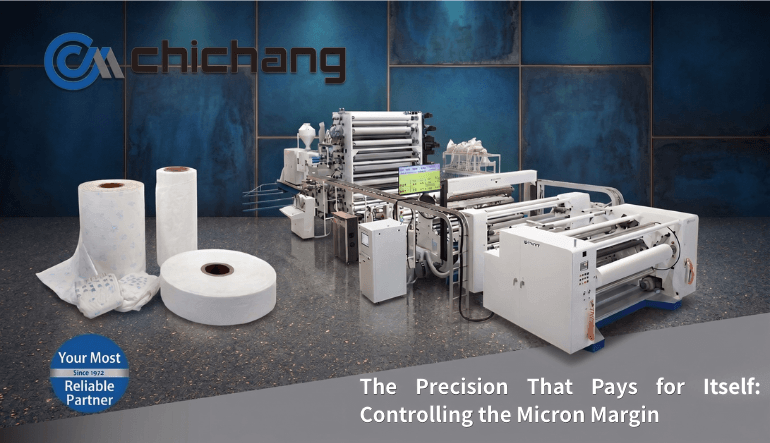
PE breathable film is a polyethylene film with micron-scale pores throughout: water vapor passes through, while liquid water is held back under the designed pressure conditions. In baby diapers and sanitary napkins, a liquid-barrier outer layer that can still release moisture vapor, thanks to its microporous structure. Chi Chang’s listed applications also include masks and surgical gowns; actual use depends on the product’s construction and regulatory requirements.
PLASTAR Automatic Air Ring Helps Control Film Thickness Before It Becomes Waste
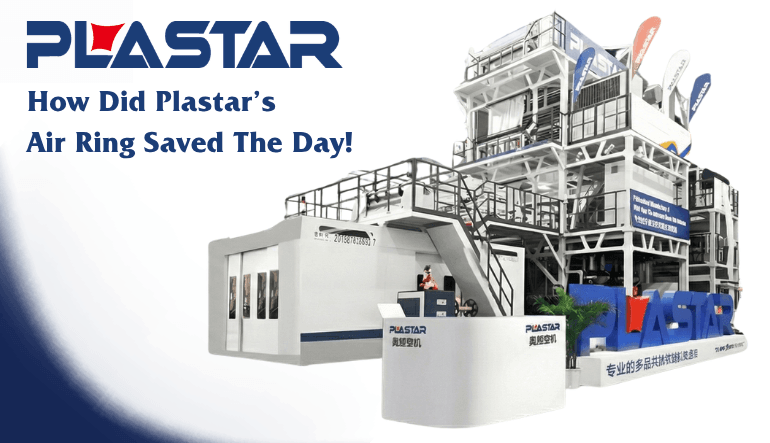
In blown film production, thickness variation is often where hidden cost begins. It is not only a number on a quality report. It affects resin consumption, winding quality, printing registration, lamination stability and the customer's confidence in every roll delivered. For producers of food packaging, composite film, printing film and shrink film, unstable cross-direction thickness can quickly turn into wasted material, longer adjustment time and avoidable production cost.

PLASTAR Launches Advanced Five-Layer Co-Extrusion Blown Film Production Line
The intelligent automatic air ring achieves ±3‰ thickness accuracy, reduces the scrap rate by more than 3%, and increases production capacity by 10%–15%. Soaring energy costs and strict recycling requirements under the EU PPWR framework are reshaping the European packaging industry, driving global demand for more energy-efficient and material-saving blown film production systems. Converters are increasingly turning to recyclable, downsized, multi-layer structures to lower their carbon footprint and stabilize operating costs.

The Regulations Never Name Bubble Film. Your Customers Will.
Search the two most-discussed packaging regulations of the past two years — the EU's PPWR and California's SB 54 — and you will not find the words "bubble film." The named items are tea bags, fresh-produce labels, very lightweight carrier bags; the headlines belong to compostable materials and recycling-rate targets. A protective-packaging manufacturer might reasonably exhale.

Discover the latest English promotional updates for the Plastimagen exhibition
Be part of Latin America's largest plastics industry event. Plastimagen is where the industry meets, technology comes to live, and business happens. Book Your Space Today! Great opportunities don't always come back. This one is still open.

The Rise of Mono-Material Packaging: Why All-PE Solutions Matter for the Future of Flexible Packaging
The global packaging industry is undergoing a significant transformation. Driven by evolving regulations such as the European Union's Packaging and Packaging Waste Regulation (PPWR), as well as aggressive sustainability commitments from leading global consumer brands, packaging design is shifting from a performance-first approach toward a recyclability-first strategy.

Two Months to PPWR: What a 50-Year Extrusion Maker Is Actually Worried About
In under two months, the EU's Packaging and Packaging Waste Regulation (PPWR, 2025/40) reaches its General Application Date on August 12, 2026. The date has circulated in plastics-packaging circles for nearly two years, but with only two months remaining, the level of tension across the industry is markedly different from the earlier, more relaxed "there's still time" phase.